{{ 'fb_in_app_browser_popup.desc' | translate }} {{ 'fb_in_app_browser_popup.copy_link' | translate }}

{{ 'in_app_browser_popup.desc' | translate }}

Register Member to receive a $20 shopping voucher valid for 30 days. And unlimited 10% rebate

Pets Care Guide|Odour · Insects · Fungal

30 Years of Research
Odour · Insects · Fungal

Odour, fungal overgrowth, and insect exposure share one root — a disrupted skin environment. Based on 30 years of Dead Sea mineral research, find the care path that fits your pet.

Restores microbiome balance — targeting odour and fungal at the root
Healthy skin deters insects — natural, chemical-free protection
One core routine, three care goals — built around your pet's regular bath

Common Insects in Hong Kong

Tap to reveal
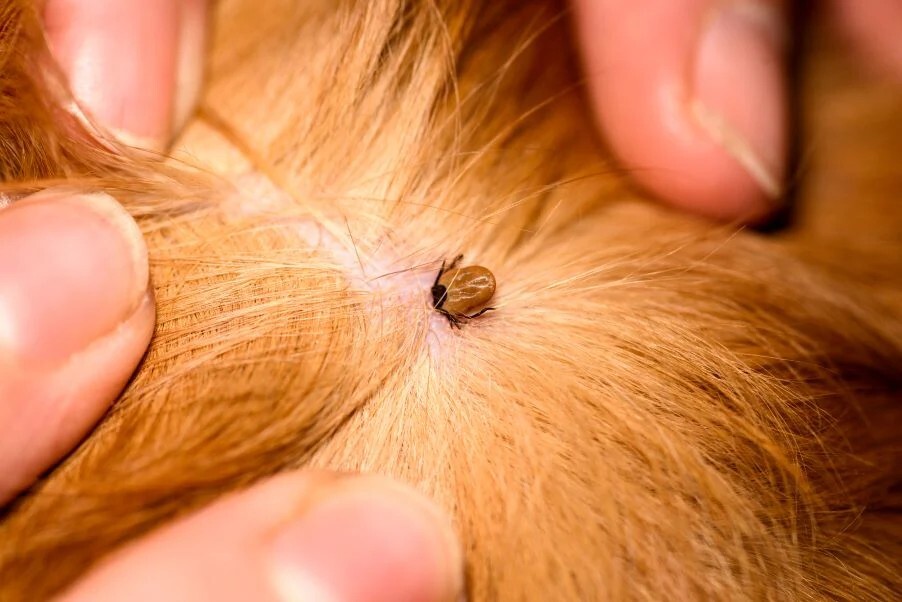
Tick — real photo
Tick High Risk

Active year-round in HK. Found in grass and hiking trails. Can transmit Lyme disease and babesiosis. Attaches to ears, neck, armpits, and toes.

Monthly vet-prescribed preventatives recommended alongside natural care.

Tap to reveal
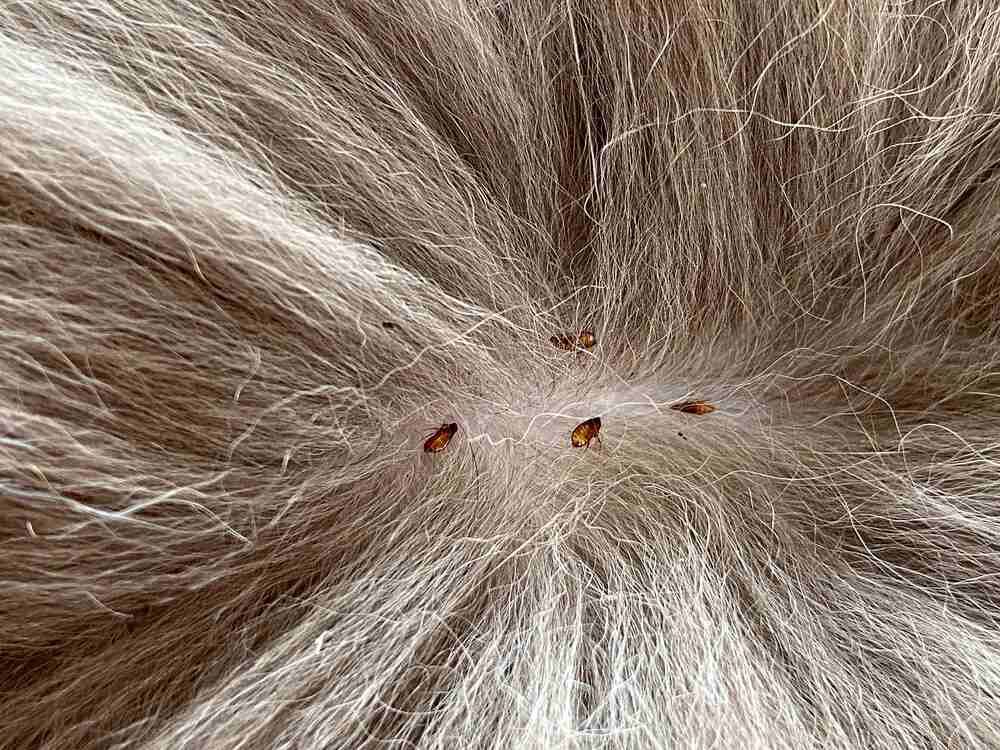
Flea — real photo
Flea High Risk

Reproduces rapidly and can spread to the home. Peak in spring and summer. Signs: frequent scratching, black specks at coat base.

Treatment must address both dog and home environment simultaneously.

Tap to reveal
Mosquito — real photo
Mosquito Medium Risk

Can transmit heartworm. Ears, abdomen, and inner legs most vulnerable. Monthly oral preventative is the primary approach.

Heartworm shows no early symptoms — regular blood testing is recommended.

Common Veterinary Preventatives

The following is an overview of commonly available veterinary parasitic treatments for reference only — not a product recommendation. Please consult your vet to select the appropriate option based on your dog's weight, health condition, and lifestyle. Households cautious about chemical ingredients may also consider natural daily care as a supplement.

TypeTargetsApplicationCommon Forms
Spot-onTicks, fleasApplied to back of neck monthlyFrontline, Advantage, etc.
Oral tabletTicks, fleas, heartwormOral, monthly or quarterlyNexGard, Simparica, etc.
Repellent collarTicks, fleasWorn around neck; lasts 3–8 monthsSeresto, etc.
Natural daily care Ticks, fleas; supports skin and coat condition Weekly bathing, spray before outdoor activity Dead Sea Mud series, Dead Sea Mineral Spray (this page)

* For reference only. Brand names listed are commonly available options. Please consult your vet for personalised advice.

* The Dead Sea Mud series is a natural daily care routine, not a medical-grade repellent treatment, and does not replace vet-prescribed medication. It is intended as a daily supplement for households cautious about chemical ingredients, dogs with sensitive skin, or those preferring a low-intervention long-term care approach.

The Science

Dry Skin sebaceous overcompensation Excess Sebum sebaceous dysregulation Microbiome Imbalance dysbiosis of skin flora Odour Bacteria Overgrowth persistent malodour deep clean no aftercare Vicious Cycle

The Vicious Cycle Behind Pet Odour

Persistent pet odour is rarely a hygiene problem alone. It is a self-reinforcing cycle rooted in skin physiology: dryness triggers excess sebum production, excess sebum fuels odour-causing bacteria, and deep cleansing without barrier repair leaves skin drier — restarting the cycle with every bath. Every deodorising wash without barrier repair is preparing the skin for its next odour cycle. The problem is rarely insufficient cleansing — it is the absence of what comes after.

How Dead Sea Minerals Intervene

Breaking the Cycle, Not Masking the Odour

Dead Sea mineral mud addresses two key points of the cycle simultaneously: restoring the skin barrier so the sebaceous glands stop overcompensating, and modulating the skin microbiome so beneficial flora can re-establish dominance.

📄 Proksch E. et al. (2005). International Journal of Dermatology — Dead Sea salt bath significantly improves skin barrier function and reduces inflammation markers, especially for sensitive and dry skin.

01

Barrier Hydration

Magnesium (Mg²⁺) and calcium (Ca²⁺) ions from Dead Sea minerals reinforce the intercellular lipid matrix of the stratum corneum. With post-wash hydration restored, the sebaceous glands have no physiological reason to overproduce — severing the first link in the cycle.

02

Microbiome Rebalance

High mineral salt concentration acts through osmotic pressure to selectively suppress odour-producing species such as Staphylococcus aureus, while preserving beneficial commensal flora. The goal is rebalancing, not sterilisation — allowing the skin microbiome to restore its own equilibrium.

Common Fungal Infections in Hong Kong

Tap to reveal
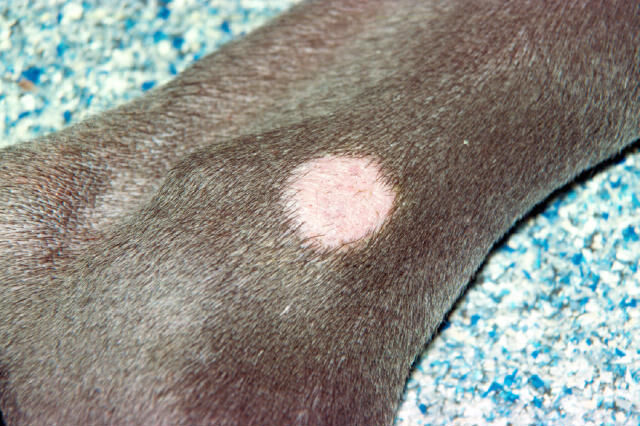
Dermatophyte infection — real photo
Dermatophytosis (Ringworm) Highly Contagious

Spreads through direct contact and is zoonotic. Peaks during HK's humid season. Puppies and immunocompromised dogs are most susceptible.

  • Circular hair loss: classic "ring" pattern, broken or shed hair
  • Skin lesions: heavy dandruff, redness, crusting, scabs
  • Common sites: head, ears, limbs, tail

Diagnosis requires fungal culture or Wood's lamp; spores survive in the environment for months.

Tap to reveal
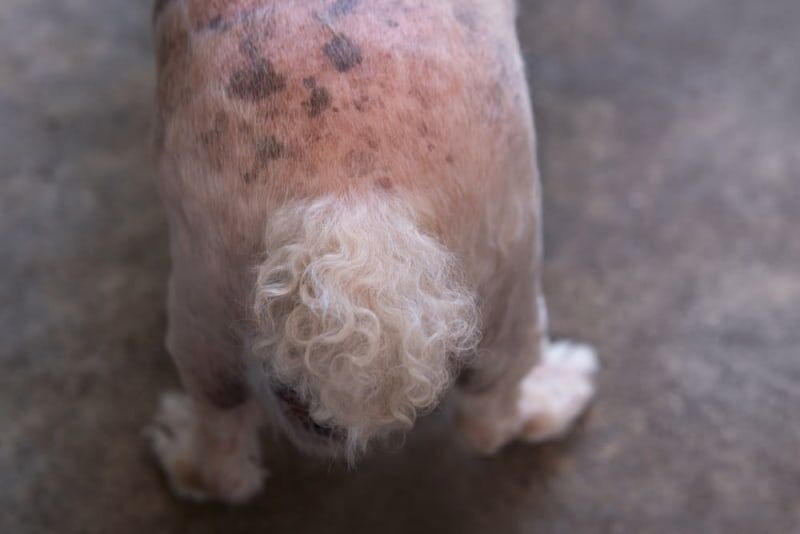
Malassezia infection — real photo
Malassezia (Yeast infection) Opportunistic

A normal skin commensal that overgrows during HK's hot humid season or when immunity drops — not an external infection.

  • Strong odour: distinctive greasy or fermented body smell
  • Skin signs: red, itchy, thickened (elephant-skin texture), often with hyperpigmentation
  • Common sites: ears (otitis), toe webs, neck, skin folds

Lipophilic by nature — thrives on oily areas. Bathing frequency and skin hygiene are key control factors.

Natural Mechanism

Why Dead Sea mud creates an inhospitable environment for fungi

A 2006 study by Ma'or et al., published in the International Journal of Dermatology, found that common skin microorganisms — including Candida albicans — rapidly lost viability upon contact with Dead Sea black mineral mud. The authors attributed this to the mud's unique chemical and physical properties: extreme salinity, high magnesium concentration, and slightly alkaline pH, which together create conditions that are difficult for fungi to sustain.

Mechanism 01

Hyperosmotic water loss

Dead Sea salinity is roughly 10× that of ordinary seawater. When fungal spores or yeast cells encounter this hypertonic environment, intracellular water exits through the membrane (plasmolysis), inhibiting spore germination and hyphal growth.

Mechanism 02

Mineral ions disrupt the cell wall

The mud is rich in magnesium, calcium, and potassium. The fungal cell wall integrity (CWI) pathway is sensitive to ionic stress; excess cations interfere with normal chitin and glucan assembly.

Mechanism 03

Reducing nutrients for lipophilic yeast

Malassezia depends on skin lipids as its primary nutrient. Dead Sea mud has natural adsorbent properties, gently removing excess surface sebum and indirectly limiting the substrate available for yeast overgrowth.

Common Antifungal Approaches

The following overview lists commonly available veterinary antifungal options, for reference only — not a product recommendation. Confirmed fungal infections require vet consultation; treatment depends on the fungal species, lesion extent, and overall health. Households preferring a low-intervention routine, or those cautious about chemical ingredients, may also consider natural daily care as a supplement.

TypeTargetsApplicationCommon Forms
Antifungal shampooDermatophyte, Malassezia2–3× weekly bath, 10-min contactMiconazole / Chlorhexidine formulas
Oral antifungalsDermatophyte (moderate–severe), deep infectionsDaily, 4–8 week courseItraconazole, Terbinafine, etc.
Topical creamsLocalised dermatophyte, mild MalasseziaApply to lesion daily for 2–4 weeksMiconazole, Clotrimazole ointments
Natural daily care Supports microbiome balance, helps regulate sebum Weekly bath with daily care routine Dead Sea Mud series, Dead Sea Mineral Spray (this page)

* The information above is for reference only; brand names listed are commonly available options. For confirmed fungal infections, consult your vet for personalised treatment.

* The Dead Sea Mud series is a natural daily care routine, not a medical-grade antifungal treatment, and does not replace vet-prescribed medication. It is suited for post-treatment maintenance, recurrence prevention, or households whose dogs are prone to oily, odour-prone skin.

The Physical Care Principle of Dead Sea Mud

A High-Mineral Rinse as a Supportive Step in Tick and Flea Care

Dead Sea Mud contains a high concentration of mineral salts and creates a hypertonic environment on the coat. Thorough lathering and rinsing may help wash away debris and some parasites that are not firmly attached. However, the cited research supports skin-barrier and hydration effects in humans; it does not establish that Dead Sea Mud reliably kills ticks or fleas. This is a non-medicated supportive care routine and does not replace veterinary preventatives, proper removal of attached ticks, or environmental flea control.

📄 Proksch E. et al. (2005). International Journal of Dermatology — A magnesium-rich Dead Sea salt bathing study reported improved skin-barrier function, hydration, and inflammatory markers in subjects with atopic dry skin; it was not a parasite-efficacy study.

01

High-Salinity Environment and Rinsing

Concentrated mineral salts alter the moisture and ionic environment on the coat, while rinsing can help remove debris and parasites that are not firmly attached. Results depend on formulation, contact time, and parasite status and should not be presented as a clinically established insecticidal mechanism.

02

Non-Medicated Supportive Care

Use only as directed on the product label and by your veterinarian. If ticks, persistent scratching, flea dirt, or inflamed skin are present, use an evidence-based veterinary parasite-control plan and treat the home environment. Seek veterinary advice and patch-test before use on puppies or dogs with sensitive or compromised skin.

Break the cycle first, then return to routine

Odour, parasites and fungal issues are all outward signs of an imbalanced skin barrier. The Dead Sea mud shampoo contains no medicated agents — use it more frequently at first to cleanse thoroughly, then ease back to a once-weekly routine as the barrier recovers.

Weeks 1–3 Every 2–3 days Weeks 3–6 Every 4–5 days Week 6+ Once a week
HOW TO USE
1

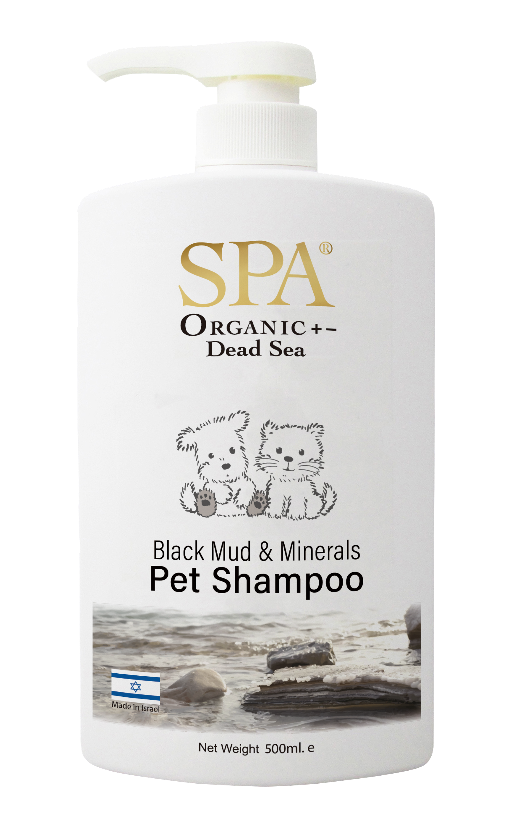
Full-body compress for 5 minutes with Dead Sea mud shampoo

Dead Sea Mud Pet Shampoo

Begin with the mud shampoo, applying it as a compress to the whole body or a specific area for 5 minutes. Then, when wet, create a lather and cleanse gently, lifting dirt, excess oil and odour and preparing the coat for mineral care.

2
Option A

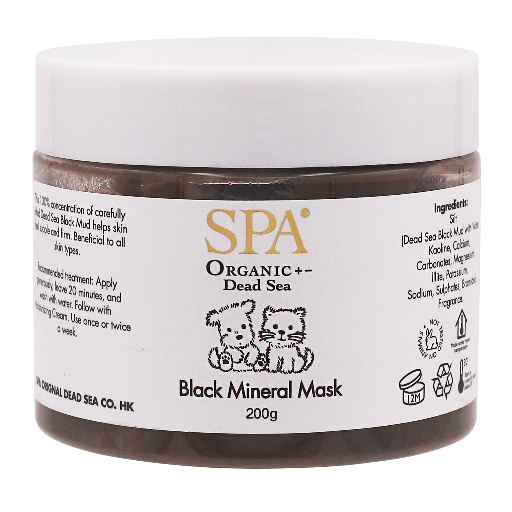
Dead Sea mud mask, 5 minutes:

Mix 50g of mud with a little water until it forms a paste, apply to the specific areas and rest for ~5 minutes to let minerals penetrate. Prevent licking during application.

Black Mineral Mask
Option B

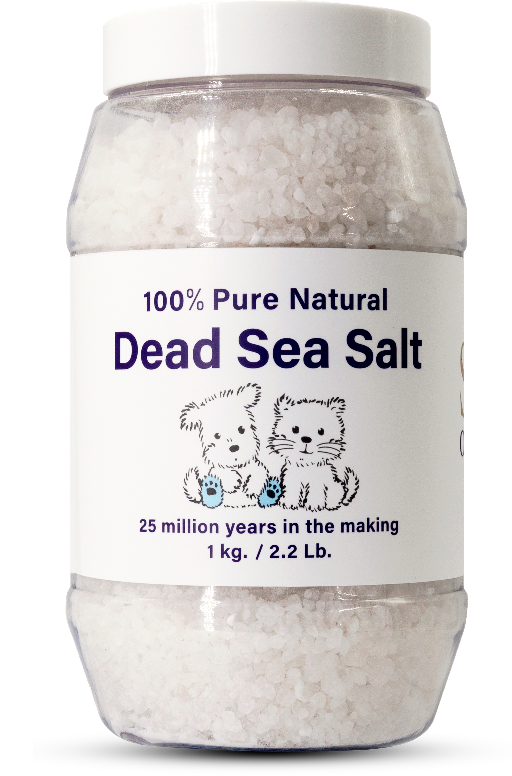
Dead Sea salt soak / shower:

Dissolve 100 g of salt in 2 L of warm water; rinse or soak for 3–5 minutes to allow even mineral absorption.

Dead Sea Salt
3

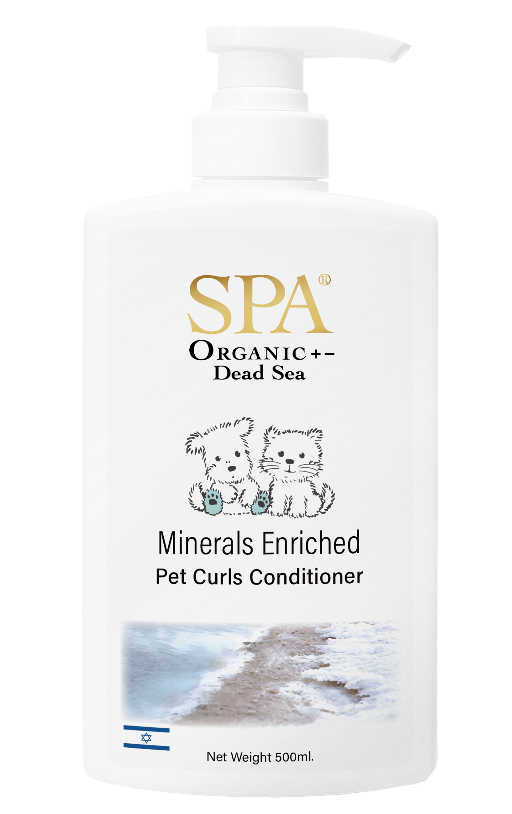
Dilute conditioner, apply evenly

Minerals Enriched Pet Conditioner

Dilute conditioner with water, apply evenly across the coat, massage for 2 minutes, then rinse thoroughly.

4

Rinse with clean water and pat dry

Pet wrapped in towel after care

After mud care, salt bath and conditioner, rinse thoroughly with clean water and gently pat dry with a towel.

Suitable for puppies, sensitivity-prone dogs, and pets whose owners prefer low-irritation, non-chemical daily care that minimises residue build-up and supports the skin barrier.

Dead Sea Mud Care FAQ